Vol. 3 Núm. 3 (2026) 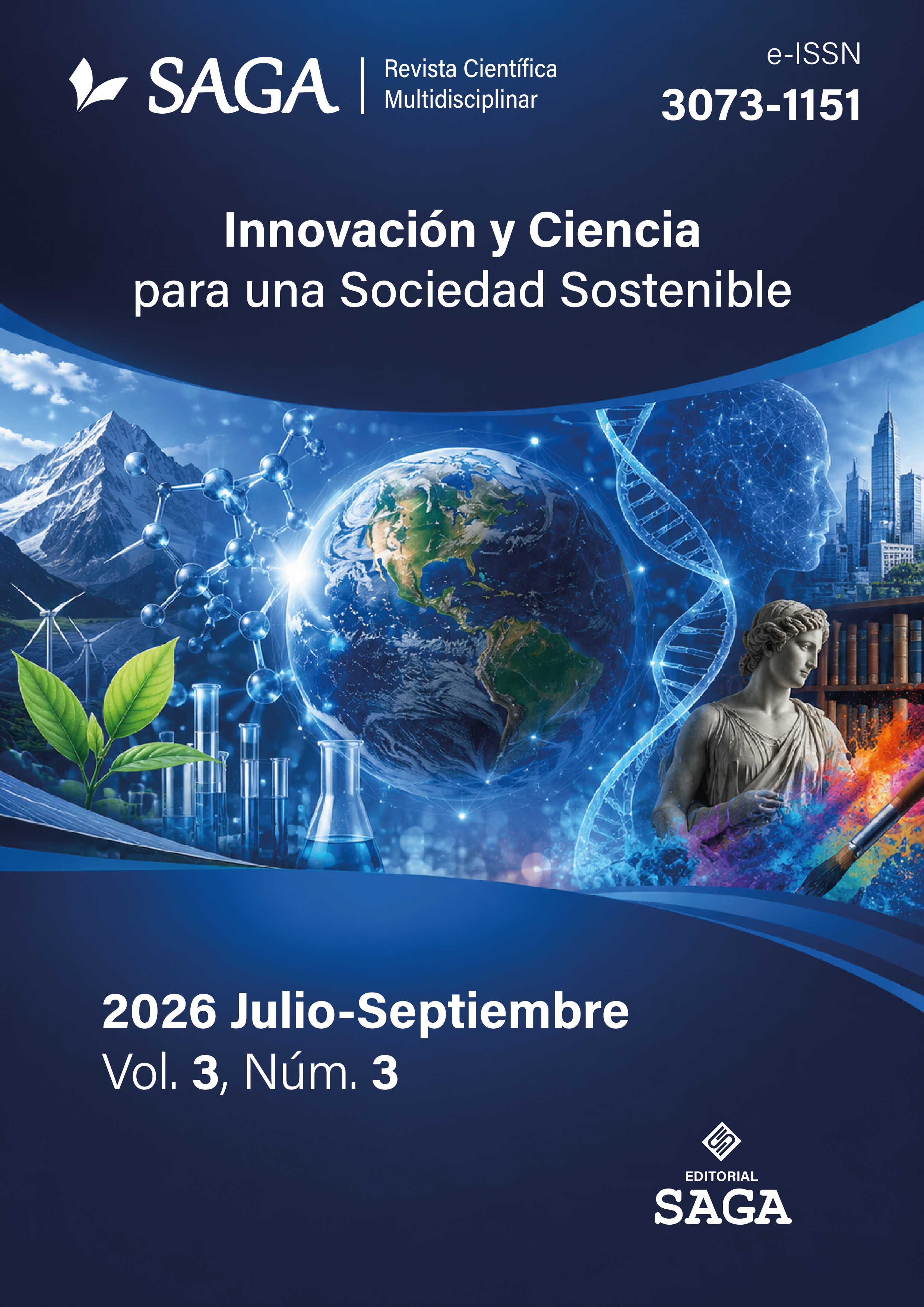
Vol. 3 Núm. 2 (2026) 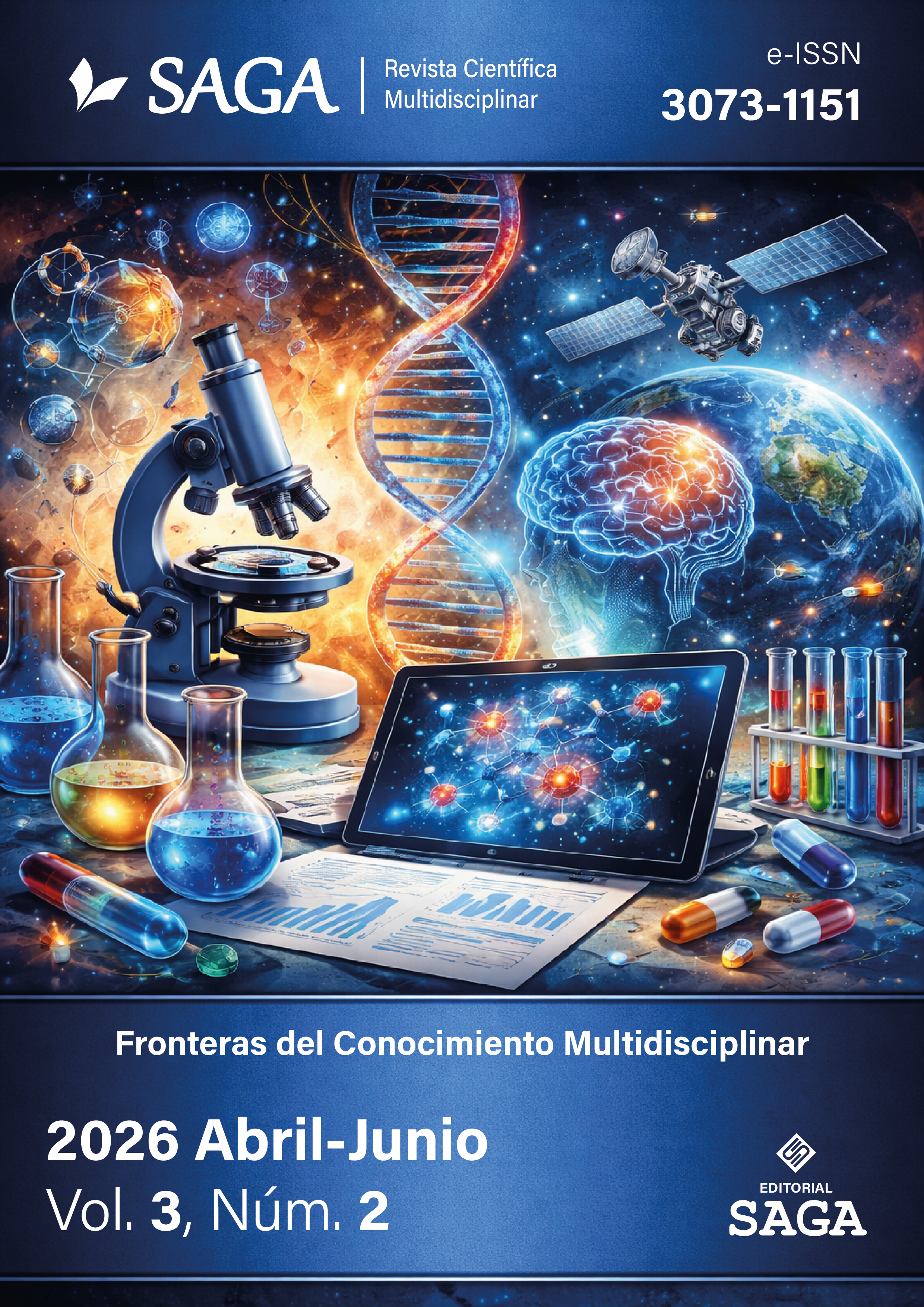

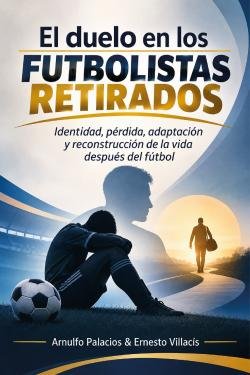
La obra El duelo en los futbolistas retirados: Identidad, pérdida, adaptación y reconstrucción de la vida después del fútbol examina las transformaciones psicológicas, emocionales y sociales que experimentan los deportistas al concluir su trayectoria competitiva, con especial atención a la pérdida de identidad y la construcción de nuevos proyectos personales. Desde una perspectiva interdisciplinaria, analiza las consecuencias del retiro en la salud mental, las relaciones familiares y la estabilidad económica. Su contenido adquiere pertinencia educativa para los niveles de Educación General Básica y Bachillerato del sistema educativo ecuatoriano, particularmente en Educación Física y orientación vocacional, al promover la formación integral de estudiantes vinculados con la práctica futbolística. La obra aborda el reconocimiento de las emociones y la importancia del acompañamiento familiar e institucional durante las transiciones vitales. Asimismo, plantea estrategias de prevención mediante la continuidad educativa, la planificación profesional y el fortalecimiento de habilidades socioemocionales. A través de fundamentos teóricos y actividades reflexivas, proporciona recursos para docentes y entrenadores interesados en fomentar identidades personales que trasciendan el rendimiento deportivo. Su propuesta educativa contribuye a comprender el retiro como una experiencia de transformación humana y favorece decisiones responsables sobre el bienestar, la formación académica y las oportunidades laborales futuras de los jóvenes deportistas ecuatorianos.
Alfermann, D., Stambulova, N., & Zemaityte, A. (2004). Reactions to sport career termination: A cross-national comparison of German, Lithuanian, and Russian athletes. Psychology of Sport and Exercise, 5(1), 61–75. https://doi.org/10.1016/S1469-0292(02)00050-X
Barth, M., Güllich, A., Forstinger, C. A., Schlesinger, T., Schröder, F., & Emrich, E. (2021). Retirement of professional soccer players – A systematic review from social sciences perspectives. Journal of Sports Sciences, 39(8), 903–914. https://doi.org/10.1080/02640414.2020.1851449
Brewer, B. W. (1993). Self-identity and specific vulnerability to depressed mood. Journal of Personality, 61(3), 343–364. https://doi.org/10.1111/j.1467-6494.1993.tb00284.x
Brewer, B. W., Van Raalte, J. L., & Linder, D. E. (1993). Athletic identity: Hercules’ muscles or Achilles heel? International Journal of Sport Psychology, 24, 237–254.
Brown, C. J., Webb, T. L., Robinson, M. A., & Cotgreave, R. (2018). Athletes’ experiences of social support during their transition out of elite sport: An interpretive phenomenological analysis. Psychology of Sport and Exercise, 36, 71–80. https://doi.org/10.1016/j.psychsport.2018.01.003
Brown, C. J., Webb, T. L., Robinson, M. A., & Cotgreave, R. (2019). Athletes’ retirement from elite sport: A qualitative study of parents and partners’ experiences. Psychology of Sport and Exercise, 40, 51–60.
Buckley, G. L., Hall, L. E., Lassemillante, A.-C. M., Ackerman, K. E., & Belski, R. (2019). Retired athletes and the intersection of food and body: A systematic literature review exploring compensatory behaviours and body change. Nutrients, 11(6), 1395. https://doi.org/10.3390/nu11061395
Chun, Y., Wendling, E., & Sagas, M. (2023). Identity work in athletes: A systematic review of the literature. Sports, 11(10), 203. https://doi.org/10.3390/sports11100203
Crook, R., Coffee, P., Bank, C., Neely, K. C., Hartley, C., Haslam, C., & Tamminen, K. A. (2025). Transitioning out of elite sport: The central role of groups in support experiences. Psychology of Sport and Exercise, 80, 102873. https://doi.org/10.1016/j.psychsport.2025.102873
Di Rocco, F., Romagnoli, C., Ciaccioni, S., Capranica, L., Padua, E., & Guidotti, F. (2025). Sustainable career transitions and mental health support in elite sport: A systematic review of evidence and practices. Sports, 13(12), 438. https://doi.org/10.3390/sports13120438
FIFPRO. (2019). Mind the gap: First research report published. https://www.fifpro.org/en/articles/2019/08/mind-the-gap-first-research-report-published
FIFPRO. (s. f.). Desarrollo e impacto. https://www.fifpro.org/es/que-hacemos/desarrollo-e-impacto
Furie, K., Park, A. L., & Wong, S. E. (2023). Mental health and involuntary retirement from sports post-musculoskeletal injury in adult athletes: A systematic review. Current Reviews in Musculoskeletal Medicine, 16(5), 211–219. https://doi.org/10.1007/s12178-023-09830-6
Gearing, B. (1999). Narratives of identity among former professional footballers in the United Kingdom. Journal of Aging Studies, 13(1), 43–58. https://doi.org/10.1016/S0890-4065(99)80005-X
Gouttebarge, V., Castaldelli-Maia, J. M., Gorczynski, P., Hainline, B., Hitchcock, M. E., Kerkhoffs, G. M., Rice, S. M., & Reardon, C. L. (2019). Occurrence of mental health symptoms and disorders in current and former elite athletes: A systematic review and meta-analysis. British Journal of Sports Medicine, 53(11), 700–706. https://doi.org/10.1136/bjsports-2019-100671
Haslam, C., McAulay, C., Cooper, D., Mertens, N., Coffee, P., Hartley, C., Young, T., La Rue, C. J., Haslam, S. A., Steffens, N. K., Cruwys, T., Bentley, S. V., Mallett, C. J., McGregor, M., Williams, D., & Fransen, K. (2024). “I’m more than my sport”: Exploring the dynamic processes of identity change in athletic retirement. Psychology of Sport and Exercise, 73, 102640. https://doi.org/10.1016/j.psychsport.2024.102640
Kübler-Ross, E. (1969). On death and dying. Macmillan.
Laschowski, G., & O’Reilly, N. (2026). The financial well-being of retired professional athletes: Debunking the myth about financial irresponsibility. Sport, Business and Management: An International Journal, 16(2), 301–319. https://doi.org/10.1108/SBM-01-2025-0025
Mannes, Z. L., Waxenberg, L. B., Cottler, L. B., Perlstein, W. M., Burrell, L. E., Ferguson, E. G., Edwards, M. E., & Ennis, N. (2019). Prevalence and correlates of psychological distress among retired elite athletes: A systematic review. International Review of Sport and Exercise Psychology, 12(1), 265–294. https://doi.org/10.1080/1750984X.2018.1469162
McCluskey, T., Stevens, M., Cruwys, T., Murray, K., & Freeman, H. (2025). Correlates of athlete mental health during career transitions: A systematic review of quantitative research. International Review of Sport and Exercise Psychology. Publicación anticipada en línea. https://doi.org/10.1080/1750984X.2025.2556389
Melekoğlu, T., Sezgin, E., Işın, A., & Türk, A. (2019). The effects of a physically active lifestyle on the health of former professional football players. Sports, 7(4), 75. https://doi.org/10.3390/sports7040075
Park, S., Lavallee, D., & Tod, D. (2013). Athletes’ career transition out of sport: A systematic review. International Review of Sport and Exercise Psychology, 6(1), 22–53. https://doi.org/10.1080/1750984X.2012.687053
Runacres, A., & Marshall, Z. A. (2024). Prevalence of anxiety and depression in former elite athletes: A systematic review and meta-analysis. BMJ Open Sport & Exercise Medicine, 10(4), e001867. https://doi.org/10.1136/bmjsem-2023-001867
Stambulova, N., Alfermann, D., Statler, T., & Côté, J. (2009). ISSP position stand: Career development and transitions of athletes. International Journal of Sport and Exercise Psychology, 7(4), 395–412. https://doi.org/10.1080/1612197X.2009.9671916
Stroebe, M., & Schut, H. (1999). The dual process model of coping with bereavement: Rationale and description. Death Studies, 23(3), 197–224. https://doi.org/10.1080/074811899201046
Torregrosa, M., Ramis, Y., Pallarés, S., Azócar, F., & Selva, C. (2015). Olympic athletes back to retirement: A qualitative longitudinal study. Psychology of Sport and Exercise, 21, 50–56. https://doi.org/10.1016/j.psychsport.2015.03.003
Voorheis, P., Silver, M., & Consonni, J. (2023). Adaptation to life after sport for retired athletes: A scoping review of existing reviews and programs. PLOS ONE, 18(9), e0291683. https://doi.org/10.1371/journal.pone.0291683
Wang, W., Schweickle, M. J., Arnold, E. R., & Vella, S. A. (2025). Psychological interventions to improve elite athlete mental wellbeing: A systematic review and meta-analysis. Sports Medicine, 55(4), 877–897. https://doi.org/10.1007/s40279-024-02173-3
Wylleman, P., Alfermann, D., & Lavallee, D. (2004). Career transitions in sport: European perspectives. Psychology of Sport and Exercise, 5(1), 7–20.
Zhang, Y., Haslam, S. A., Haslam, C., & Steffens, N. K. (2025). A badge, a part of my history and also a root: A longitudinal qualitative exploration of the social identity model of identity change in retired elite athletes. British Journal of Social Psychology, 64(3), e70005. https://doi.org/10.1111/bjso.70005
Vol. 3 Núm. 3 (2026)
Vol. 3 Núm. 2 (2026)










 10 de agosto 232 entre Almendros y Mangos, Cdla. Alborada sector 2, Machala, Ecuador
 editorialsaga.ec@gmail.com
 +593962679148
